
Security: The Hidden Perils of Megafires
How Large Wildfires Like Palisades Expose Gaps in Security and Stretch Resources Thin
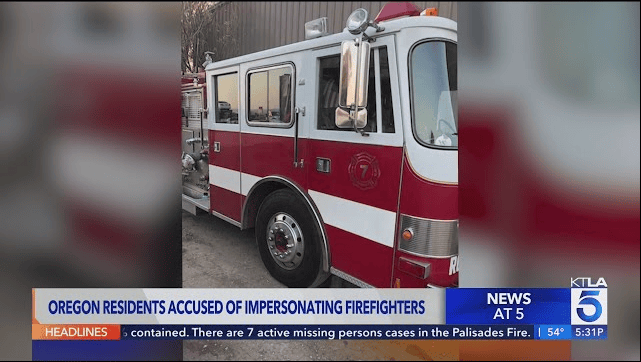
Wildfires have long been a part of life in the American West, but in recent years, they've evolved into something far more menacing: megafires that devour landscapes, displace communities, and overwhelm every system designed to combat them. The 2025 Palisades Fire in Los Angeles County serves as a stark reminder of this reality. Ignited in early January, this blaze scorched thousands of acres in Pacific Palisades, Brentwood, and surrounding areas, forcing mass evacuations and claiming lives while destroying homes. But beyond the flames themselves lies a less visible threat—the lack of security in evacuated zones. With firefighting resources stretched razor-thin, opportunistic crimes like looting thrive, and bizarre incidents, such as an Oregon couple impersonating firefighters with a private fire truck to infiltrate a restricted area, highlight just how vulnerable these situations can become.
In this article, we'll dive deep into the security challenges that emerge during large-scale wildfires, using the Palisades Fire as a primary lens. We'll explore how massive blazes drain resources, leaving gaps that criminals exploit, and examine real-world examples from California and Oregon. Drawing from recent events and historical precedents, we'll uncover why these issues persist and what might be done to address them.
The Scale of Modern Megafires: A Recipe for Resource Strain
To understand the security lapses during fires like Palisades, we first need to grasp the sheer magnitude of these events and how they overwhelm response systems. In the U.S. West, wildfires are growing larger, more intense, and more frequent due to factors like climate change, drought, and decades of fire suppression policies that have left forests overloaded with fuel. The 2020 wildfire season, for instance, burned over 5 million acres across California, Oregon, and Washington—more than double the previous record—displacing tens of thousands and killing at least 27 people. In Oregon alone, fires scorched nearly 1 million acres, with explosive growth occurring when "firefighting resources were stretched very thin across the West."
Fast-forward to 2025, and the Palisades Fire echoed this pattern. Part of a cluster of blazes including the Eaton Fire, it burned through ritzy neighborhoods like Mandeville Canyon, forcing evacuations for over 150,000 residents and destroying more than 16,000 structures—making it one of the most damaging wildfire events in U.S. history. Fueled by intense downslope winds, the fire spread rapidly, mirroring destructive events like the 2018 Camp Fire in California, which killed 85 people and razed the town of Paradise.
When fires reach this scale, resources—firefighters, equipment, and law enforcement—are pulled in every direction. In 2020, over 17,000 firefighters battled 25 major fires in California alone, while Oregon deployed thousands more amid power outages and hazardous air quality that grounded aircraft. Similarly, during the 2024 Southern California fires (Bridge, Line, and Airport), resources were "stretched to their limit," with crews juggling multiple fronts and communities under threat. In Oregon's 2021 Bootleg Fire, which burned 413,000 acres, thin resources allowed the blaze to grow unchecked in old-growth forests.
This strain isn't just about putting out flames; it extends to maintaining order. With first responders focused on life-saving evacuations and containment, patrolling vast evacuation zones becomes secondary. In the Pacific Northwest, 27 large fires affected over 170,000 acres in one recent season, with Oregon's Black Rock Fire (40,000 acres) exemplifying how multiple simultaneous blazes dilute efforts. As Governor Kate Brown of Oregon noted during the 2020 crisis, "to fight fires of this scale, we need all the help we can get." But when help is spread thin, security suffers.
Security Gaps in the Ashes: Looting and Unauthorized Access During Evacuations
Evacuation zones during megafires are ghost towns—homes abandoned, streets empty, and valuables left behind. This vacuum invites exploitation, and the Palisades Fire was no exception. As flames raged in January 2025, reports of looting surfaced almost immediately, prompting a crackdown by authorities. Los Angeles County Sheriff Robert Luna announced at least 20 arrests for looting in the Palisades and Eaton fire zones, with some suspects caught burglarizing homes in Mandeville Canyon. By mid-January, the number climbed to 40 in some areas, including Santa Monica, where police recovered stolen items worth $200,000, including an Emmy Award.
To combat this, officials imposed sunset-to-sunrise curfews in evacuation areas, vowing aggressive prosecutions. District Attorney Nathan Hochman charged nine individuals with felony burglary and looting, emphasizing that such crimes during emergencies could lead to enhanced sentences—even life under California's three-strikes law for repeat offenders. Yet, despite these efforts, fears persisted. Social media buzzed with rumors, though LAPD downplayed widespread looting, stating they had "no information regarding looting or other criminal activity" early on.
Private security firms stepped in for affluent residents, but even they hit roadblocks. Craig Paul of ASC Private Security described waiting on hold for 45 minutes with LAPD, unable to get authorization to enter restricted zones. This red tape exemplifies how stretched resources hinder coordination—law enforcement, already patrolling vast areas with cadaver dogs and search teams, couldn't always accommodate private help.
Similar issues plagued Oregon's 2020 fires. In towns like Talent and Phoenix, evacuees reported break-ins amid the chaos, with resources focused on containing fires that leveled neighborhoods. When fires stretch thin, security becomes a luxury few can afford.
A Bizarre Case Study: The Oregon Couple and Their Private Fire Truck
One of the most peculiar examples of security breaches during the Palisades Fire involved Dustin and Jennifer Nehl, a couple from Oregon who allegedly impersonated firefighters to gain access to an evacuation zone—and possibly secure free lodging in a fire camp or hotel. On January 18, 2025, Los Angeles County Sheriff's deputies detained the pair in Malibu after spotting their suspicious fire truck, which they had purchased at an auction and outfitted with bogus markings for the non-existent "Roaring River Fire Department."
Dressed in CAL FIRE t-shirts under turnout gear and carrying radios tuned to emergency channels, the Nehls claimed they were there to help fight the fire. But investigations revealed otherwise: Dustin, 31, had a prior conviction for arson and criminal mischief in Oregon, while Jennifer, 44, studied wind and weather—perhaps fueling their interest in the blaze. Prosecutors charged them with misdemeanors for impersonating firefighters and unauthorized entry into an evacuation zone, facing potential jail time.
Reports suggest they posed as firefighters to snag a free hotel stay amid the disaster, exploiting the chaos where resources were too thin to verify every "helper." This incident underscores a broader vulnerability: In fire camps—temporary bases for firefighters—security is often lax due to the focus on suppression. During Oregon's 2020 fires, similar unauthorized entries occurred as residents stayed behind with private equipment to defend properties, blurring lines between heroism and risk. The Nehls' case shows how stretched-thin patrols can miss imposters, potentially endangering real responders or enabling further crimes.
Broader Implications: Why Resource Strain Fuels Insecurity
The Palisades Fire's security issues aren't isolated. In 2020, Oregon's Almeda Fire destroyed over 2,300 homes, with looting reports amid evacuations of half a million people. California's 2018 Woolsey Fire saw similar curfews and arrests, as fires burned 1.6 million acres statewide. When resources are thin—9,000 firefighters across Oregon and Washington in 2020—law enforcement shifts to fire support, leaving zones exposed.
Critics argue that California's push for steeper looting penalties misses the point; governmental failures like delayed evacuations and poor brush clearance exacerbate the chaos. In Oregon, paleo-ecological data shows historic fires were even larger, but modern development amplifies risks. Economic tolls soar: The U.S. faces $71–$348 billion annually in wildfire costs, including indirect security burdens.
Moving Forward: Bolstering Security in the Age of Megafires
As wildfires intensify, solutions must evolve. Enhanced inter-agency coordination, like National Guard patrols seen in Palisades, can help. Community programs for defensible space and early warnings reduce strain. Private tools, like AI detection, could free resources for security.
The Palisades Fire and the Oregon couple's escapade remind us: Megafires don't just burn land—they erode trust and safety. By addressing resource gaps, we can rebuild stronger.
Resources:
- Fox News on Private Security Red Tape: https://www.foxnews.com/us/los-angeles-wildfires-citys-infamous-red-tape-preventing-private-security-helping-homeowners-firms-say
- CalMatters on Looting Penalties: https://calmatters.org/commentary/2025/04/looting-penalties-los-angeles-fires
- KRON4 on Santa Monica Arrests: https://www.kron4.com/wildfires/santa-monica-police-crack-down-on-looters-arrest-40-in-evacuation-zones
- Straight Arrow News on Looters: https://san.com/cc/looters-arrested-as-wildfires-rip-through-los-angeles
- USA Today on Recovered Items: https://www.usatoday.com/story/news/nation/2025/01/14/looters-wildfires-emmy-la-evacuations/77684609007
- FOX 11 on Charges: https://www.foxla.com/news/hochman-charges-against-alleged-arsonist-looters-be-announced
- LA County DA on Charges: https://da.lacounty.gov/media/news/district-attorney-announces-charges-pacific-palisades-and-altadena-looting-and-azusa
- BBC on LA Fires: https://www.bbc.com/news/articles/c897l7wyzj5o
- Fox News on Looting Fears: https://www.foxnews.com/us/los-angeles-wildfires-authorities-battling-looters-top-blazes
- FireRescue1 on Arrests: https://www.firerescue1.com/police/at-least-20-arrested-suspected-of-looting-during-socal-wildfires
- NBC News on Oregon Couple: https://www.nbcnews.com/news/us-news/oregon-couple-charged-impersonating-firefighters-wildfires-rcna189278
- KTLA on Oregon Couple: https://ktla.com/news/local-news/oregon-couple-who-posed-as-firefighters-during-l-a-wildfires-charged-face-potential-jail-time
- Daily Mail on Free Hotel: https://www.dailymail.co.uk/news/article-14310757/Dustin-Nehl-Jennifer-Palisades-evacuation-firefighters-fake.html
- LAMag on Charges: https://lamag.com/news/an-oregon-couple-who-snuck-into-palisades-evacuation-zone-in-fake-fire-truck-charged
- Statesman Journal on Arrest: https://www.statesmanjournal.com/story/news/local/oregon/2025/01/20/oregon-arsonist-wife-arrested-impersonating-firefighters-near-palisades-fire/77836633007
- New York Times on 2020 Fires: https://www.nytimes.com/2020/09/15/us/oregon-fires-california.html
- Vox on 2020 Unprecedented Fires: https://www.vox.com/21431313/california-oregon-washington-wildfires-2020-weather-climate-covid
- LAist on 2024 Resource Strain: https://laist.com/news/climate-environment/wildfires-socal-firefighting-resources-stretched-thin
- CNBC on Fire Growth: https://www.cnbc.com/2020/09/18/fires-in-california-oregon-and-washington-data-shows-blazes-getting-worse-.html
- Climate Hubs on Climate and Fires: https://www.climatehubs.usda.gov/hubs/northwest/topic/climate-change-and-wildfire-idaho-oregon-and-washington
- Resources.org on LA Fires: https://www.resources.org/common-resources/after-the-los-angeles-fires-re-examining-the-wildfire-crisis-in-the-united-states
- KCRA on Resource Shortages: https://www.kcra.com/article/few-resources-old-growth-forest-allowed-for-fires-growth/34120691
- The Nature Conservancy on Megafires: https://www.nature.org/en-us/about-us/where-we-work/united-states/california/stories-in-california/californias-wildfire-future
- Guardian on 2020 Fires: https://www.theguardian.com/us-news/2020/sep/12/california-oregon-washington-fires-explained-climate-change