FAST FIRE RISK FRAMEWORK
At Fast Fire Network (FFN), we have developed the Fast Fire Risk Framework—a proprietary, comprehensive model tailored specifically for high-risk wildfire zones in and around the Santa Monica Mountains.
Our objective is to establish this framework as the industry benchmark for community wildfire protection. It integrates rapid risk assessment methodologies, state-of-the-art mitigation techniques, and practical, hands-on training programs to deliver a holistic and proactive approach to reducing wildfire vulnerability.
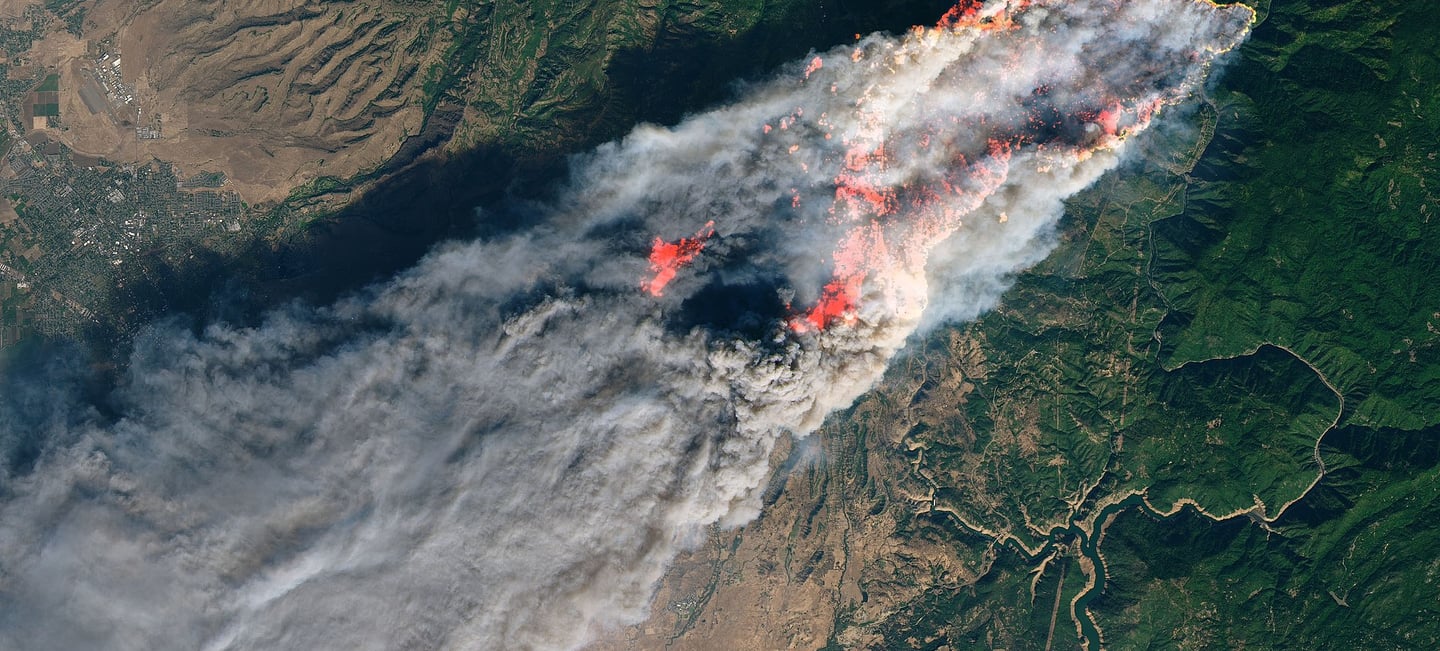
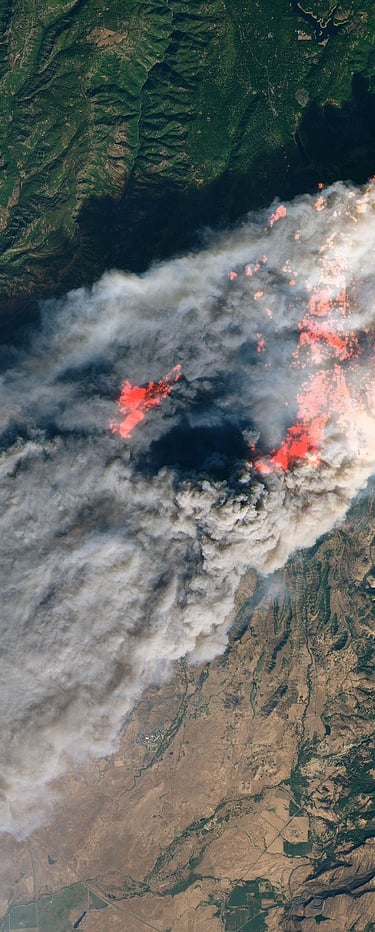
Fast Risk Assessment
Community-Wide Mapping
Tech Integration - digital risk map
Actionable Mitigation Strategies
Suppression System Standards Testing
Development of the Fast Fire Risk Framework is based on the following resources:
Primary Authoritative Sources (Direct Guidelines & Frameworks)
1. CAL FIRE Defensible Space Guidelines - https://www.fire.ca.gov/dspace
(Core reference for Zone 0–2 defensible space requirements, home hardening, and legal mandates under PRC 4291)
2. Board of Forestry and Fire Protection – Defensible Space Zones 0, 1, and 2
- https://bof.fire.ca.gov/projects-and-programs/defensible-space-zones-0-1-and-2
(Official clarification on Zone definitions, including emerging emphasis on Zone 0 ember resistance)
3. Ready for Wildfire (CAL FIRE public education site)
- Defensible Space: https://readyforwildfire.org/prepare-for-wildfire/defensible-space
- Home Hardening: https://readyforwildfire.org/prepare-for-wildfire/hardening-your-home
4. National Fire Protection Association (NFPA) – Preparing Homes for Wildfire
- https://www.nfpa.org/education-and-research/wildfire/preparing-homes-for-wildfire
(Firewise USA principles, ember ignition science, and hardening best practices)
5. Western Fire Chiefs Association – Home Hardening - https://wfca.com/wildfire-articles/home-hardening
US Forest Service (USFS) Expert Resources (incorporated as the primary expert replacement)
6. USFS Wildfire Risk to Communities - https://wildfirerisk.org/
(Interactive GIS-based risk mapping, community vulnerability assessments, and prioritization tools)
7. USFS Wildfire Crisis Strategy Implementation Plan - https://www.fs.usda.gov/managing-land/wildfire-crisis
(National strategy for fuels management, community mitigation, pre-fire investment, and outcome-based prioritization)
8. USFS Community Wildfire Mitigation Best Practices Guide
- (General USFS publications on Firewise communities, defensible space, fuels treatment, and post-fire recovery science)
9. USFS Pre-Fire Management and Preparedness Guidance
- Various USFS research briefs and tools on type conversion, invasive species management, and ecosystem resilience
Regional & Contextual Sources (Santa Monica Mountains-specific)
10. Santa Monica Mountains National Recreation Area (NPS) Fuels Management
- NPS SMMNRA wildfire and fuels program documents (referenced indirectly via public summaries and project reports)
11. Los Angeles / Ventura County Community Wildfire Protection Plan (CCWPP)
- County-level CWPP documents and fuels reduction project announcements (e.g., 674-acre clearance initiatives)
12. Santa Monica Mountains Conservancy Project Reports
- Public funding and fuels management updates (e.g., goat grazing, native restoration, grant totals)
13. Historical Fire Data & Lessons
- Woolsey Fire (2018), Springs Fire (2013), and related after-action reports (used for adaptation examples and type-conversion risks)
Supporting Data & Concepts
- General scientific consensus on ember-driven ignitions (80–90% of structure losses) – CAL FIRE, NFPA, and USFS materials
- Economic impact ratios (e.g., $1 mitigation saves $6 in recovery) – derived from multiple USFS, CAL FIRE, and insurance industry studies
- Legislative references: AB 3074 (2020), SB 504 (2024), Proposition 4 funding streams
These resources form the factual backbone of the framework, checklists, adaptations, and recommendations. No proprietary or unpublished internal FFN documents were used—everything is grounded in publicly available, authoritative government, agency, and nonprofit sources as of 2026.