Rebuilding Your Home
Rebuilding Your Home After a Fire in Southern California: A Comprehensive Step-by-Step Guide
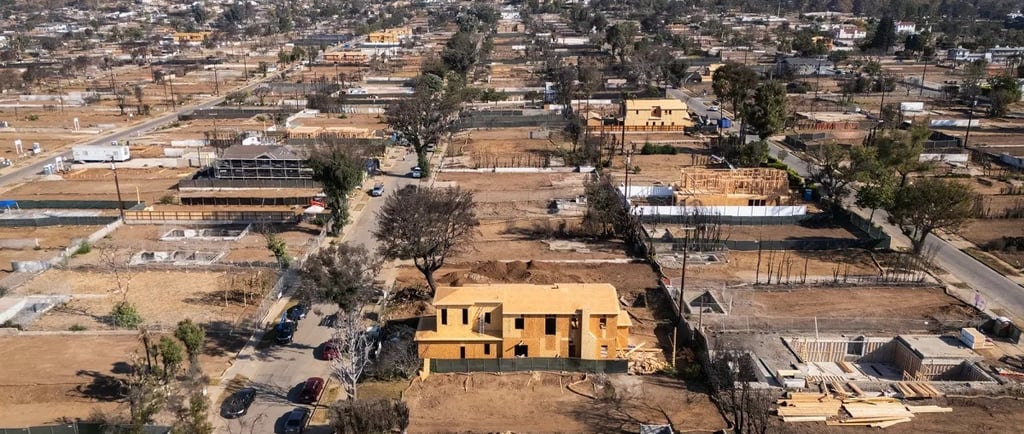
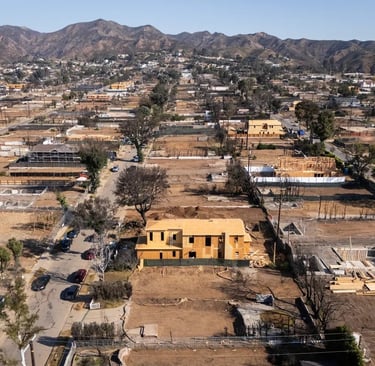
Losing your home to a fire—whether a sudden house blaze or a raging wildfire like the devastating 2025 Los Angeles fires—is an unimaginable heartbreak. In Southern California, where wildfires have become increasingly frequent and destructive, the road to recovery can feel overwhelming. From the charred remains of neighborhoods in areas like Pacific Palisades and Eaton Canyon to coastal communities like San Clemente, thousands of families have faced this reality. The process isn't just about bricks and mortar; it's about reclaiming stability, navigating bureaucracy, and rebuilding resilience in a region prone to fire risks.
This guide walks you through every stage of the rebuilding process, drawing on real-world data from recent disasters. We'll cover detailed steps, realistic costs and timelines tailored to Southern California (where expenses are often 20-50% higher than national averages due to labor, materials, and regulations), and common challenges. Whether you're dealing with insurance shortfalls, permitting delays, or emotional strain, understanding the full picture can empower you to move forward. Note: Always consult professionals, as individual situations vary, and check for updates from local authorities like CAL FIRE or LA County Recovery.
Step 1: The Immediate Aftermath – Ensuring Safety and Taking Stock
Right after the fire is contained, your priority is safety. Do not return to the site without clearance from local authorities, such as fire departments or emergency management teams. In Southern California, this often involves coordination with CAL FIRE or the LA County Fire Department, especially post-wildfire. Contact utility companies (e.g., Southern California Edison or SoCalGas) to report damage and ensure lines are safe—no leaks or downed wires.
Inspect the property cautiously: Look for structural instability (cracked foundations, leaning walls), hazardous debris (sharp metal, broken glass), and environmental risks like ash-laden soil that could contain toxins such as asbestos or lead. Wear protective gear—masks, gloves, boots—and consider hiring a professional inspector. In wildfire zones, wild animals may have sought refuge in the ruins, adding another hazard.
Emotionally, this phase is tough. Document everything with photos and videos for insurance purposes. Notify your insurer immediately to start the claims process; most policies require prompt reporting. In SoCal, where wildfires destroyed over 13,000 homes in 2025 alone, quick action can prevent delays in temporary housing aid from FEMA or state programs.
Timeline: 1-4 weeks for initial safety clearance and assessment.
Costs: Minimal upfront (e.g., $500-1,000 for a professional inspection), but temporary housing can add $5,000-10,000/month in high-cost areas like Orange County.
Challenges: Access restrictions due to ongoing fire risks or evacuations; emotional trauma leading to decision paralysis.
Step 2: Assessing Damage and Deciding Whether to Rebuild
Once safe, conduct a thorough damage assessment. Hire a structural engineer or fire restoration expert to evaluate what's salvageable—foundations, partial walls, or utilities. In Southern California, wildfires often cause total losses, but salvaging an intact foundation can save $50,000-100,000.
Weigh the pros and cons of rebuilding: Compare costs against buying a new home. Factors include ongoing wildfire risks (e.g., in San Clemente hills), updated building codes requiring fire-resistant features, and infrastructure status. If rebuilding, plan for resilience—think metal roofs or fiber cement siding to withstand future fires.
Timeline: 2-6 weeks for assessments.
Costs: Engineer fees: $1,000-5,000; full assessments: $2,000-10,000.
Challenges: Underinsurance gaps (common in 60%+ of cases, averaging $200,000-400,000 shortfalls in SoCal); deciding to relocate if risks are too high.
Step 3: Filing Insurance Claims and Securing Funding
Contact your insurer to file a claim, providing documentation of losses. In California, policies often include "additional living expenses" for temporary housing. However, disputes arise if coverage is "actual cash value" vs. "replacement cost."
Explore additional funding: FEMA grants (up to $42,500 for repairs), SBA low-interest loans (up to $200,000 for homes), or state programs like California's Wildfire Mitigation Grants. In 2026, federal initiatives under Executive Order 14181 aim to speed payouts by overriding some local delays. Hire a public adjuster if claims are complex (fee: 10-15% of settlement).
Timeline: 1-6 months for approvals; delays common in mass disasters.
Costs: Adjuster fees: $5,000-20,000; shortfalls could require personal funds.
Challenges: Insurer lowballs or denials; FAIR Plan limitations in high-risk areas like Southern California.
Step 4: Debris Removal and Site Cleanup
This critical phase involves removing hazardous waste, ash, and debris. In large wildfires, government programs (e.g., USACE under FEMA) handle it for free or low cost. Test soil for contaminants—waived in some 2025 LA cases to speed up.
Professional cleanup includes wetting ash to reduce dust, removing soot from surfaces, and deep-cleaning HVAC systems. Salvage what you can to cut costs.
Timeline: 6-24 months in SoCal post-wildfire; LA cleared debris faster in 2025-2026.
Costs: $10,000-50,000 if not government-funded; water/smoke cleanup: $1,300-5,700.
Challenges: Toxic materials requiring specialized handling; delays from environmental testing.
Step 5: Obtaining Permits and Approvals
Submit plans to local building departments (e.g., Orange County or LA City Planning). Southern California's strict codes now mandate fire-resistant designs, seismic upgrades, and environmental reviews. New 2026 federal rules allow "self-certification" if permits aren't issued in 60 days for SBA loan recipients.
As of early 2026, LA has issued permits for 12-13% of destroyed homes, with 2,600+ approved.
Timeline: 6-18 months; backlogs extend this in disaster zones.
Costs: Fees: $1,000-10,000; non-compliance fines: $1,000-10,000 per violation.
Challenges: Bureaucratic delays; code changes post-fire increasing requirements.
Step 6: Designing and Planning the Rebuild
Work with architects to create fire-resilient plans: Use materials like fiber cement siding ($5-10/sq ft) or metal roofing ($10-15/sq ft). Incorporate energy-efficient features (solar panels: $20,000-30,000) for long-term savings. Optimize layouts to reduce square footage and costs by $20-50/sq ft.
In SoCal, focus on wildfire-urban interface standards.
Timeline: 1-3 months.
Costs: Design fees: $10,000-50,000.
Challenges: Balancing resilience with budget; incorporating community plans.
Step 7: Hiring Contractors and Starting Construction
Select licensed contractors experienced in fire recovery—get multiple bids. Use prefabricated components to save $20,000-50,000 in labor.
Construction phases: Foundation (if needed), framing, roofing, electrical/plumbing, interiors, landscaping.
Timeline: 12-24 months per home; 3-10 years community-wide.
Costs: $300-800/sq ft; 2,500 sq ft home: $750,000-2M+. Post-disaster surge: +15-25%.
Challenges: Labor shortages (e.g., due to immigration policies); material price hikes.
Step 8: Final Inspections, Occupancy, and Moving In
Pass inspections for code compliance, then obtain a certificate of occupancy. Reconnect utilities and landscape with fire-resistant plants ($3,000-10,000).
Timeline: 1-3 months post-construction.
Costs: Inspection fees: $500-2,000.
Challenges: Final tweaks delaying move-in.
Overall Costs, Timelines, and Challenges in Southern California
- Total Costs: $800,000-2M+ for a typical home; shortfalls $200,000-400,000.
- Full Timeline: 2-5 years per home; 5-15 years for communities (e.g., only 30-40% rebuilt in past CA fires after 5-6 years).
- Key Challenges: Insurance battles, permitting backlogs, supply shortages, high costs, emotional/financial strain. Mitigation: Apply for aid early, use local materials (save 5-15%), build a 10-15% contingency ($50,000-75,000).
Building Back Better: Prevention for the Future
Incorporate defensible space, smart tech (e.g., AI fire detection), and community networks like Fast Fire Network for ongoing support.
Rebuilding is a marathon, but with persistence, Southern California communities rise stronger. If you're in San Clemente or beyond, resources abound—start today.
Resources for this article:
- Rebuilding After a Wildfire | Frontline: https://www.frontlinewildfire.com/wildfire-news-and-resources/rebuilding-after-wildfire-post
- How Los Angeles can accelerate recovery after the 2025 wildfires - McKinsey: https://www.mckinsey.com/industries/real-estate/our-insights/how-los-angeles-can-accelerate-recovery-after-the-2025-wildfires
- After devastating fires, L.A. made one part of rebuilding easy - Calmatters: https://calmatters.org/housing/2026/01/la-fires-rebuild-permitting
- How to Rebuild Your Home After a Fire | WFCA: https://wfca.com/wildfire-articles/rebuilding-house-after-fire
- EPA chief outlines Trump's plan to speed up the rebuilding: https://www.smdp.com/epa-chief-outlines-trumps-plan-to-speed-up-the-rebuilding-of-homes-after-la-wildfires
- Rebuilding Southern California: A Contractor's Guide - AJG: https://www.ajg.com/news-and-insights/rebuilding-southern-california-a-contractors-guide-to-recovery-after-the-2025-fires
- When Will Los Angeles Rebuild? - Urban Institute: https://www.urban.org/urban-wire/when-will-los-angeles-rebuild-comparing-housing-recovery-timelines-after-four-recent
- One Year After Palisades Fire - Pepperdine: https://www.pepperdine.edu/press-room/news-releases/2026-spp-new-study-palisades-fires.htm
- Los Angeles County Previews New Blueprint: https://recovery.lacounty.gov/2025/07/07/los-angeles-county-previews-new-blueprint-to-speed-rebuilding-and-cut-costs-for-residents-as-next-phase-of-restoration-begins-2
- Addressing State and Local Failures - White House: https://www.whitehouse.gov/presidential-actions/2026/01/addressing-state-and-local-failures-to-rebuild-los-angeles-after-wildfire-disasters
- Jonathan Scott's Five Verified Steps - YouTube: https://www.youtube.com/watch?v=39m2X4r6UwQ
- After the California Fires, How Can We Rebuild Homes? - Build It Green: https://www.builditgreen.org/after-the-california-fires-how-can-we-rebuild-homes
- What are the challenges of rebuilding after a fire in California? - Facebook: https://www.facebook.com/groups/costamesa/posts/9409453369074011
- How Long Will It Take to Rebuild After the LA Wildfires? - Gatsby Investment: https://www.gatsbyinvestment.com/blog/rebuilding-LA-after-the-wildfires
- Cost-Saving Tips for Rebuilding Homes After Los Angeles's Post-Wildfire: https://www.constructelements.com/post/cost-saving-tips-for-rebuilding-homes-after-los-angeless-post-wildfire