Home Hardening & Defensible Space 2026 Guide
Zone-by-Zone Checklist for High-Risk Areas focused on the areas around the Santa Monica Mountains
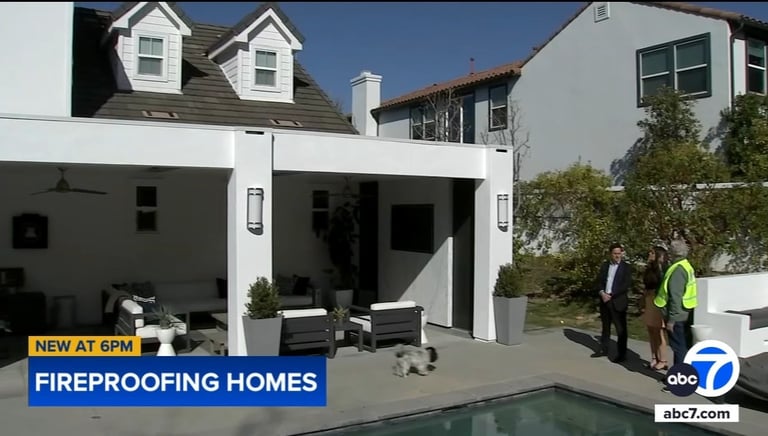
Home Hardening & Defensible Space 2026 Guide: Zone-by-Zone Checklist for High-Risk Areas
As wildfires continue to intensify across California and beyond in 2026, driven by fluctuations in climate, prolonged droughts, and urban expansion into wildland areas, protecting your home has never been more critical. In high-risk zones like the Santa Monica Mountains, or other wildland-urban interface (WUI) communities, embers from distant fires can travel miles and ignite structures long before flames arrive. That's where defensible space and home hardening come in—proven strategies that can dramatically increase your property's survival odds.
This comprehensive guide, brought to you by Fast Fire Network, draws on the latest guidelines from CAL FIRE, NFPA, and other experts. We'll break down defensible space into its three key zones with actionable checklists, then dive into home hardening techniques to make your structure ember-resistant. Whether you're a homeowner preparing for "stay and defend" options (as recently endorsed by L.A. County Fire Chief Anthony Marrone) or simply aiming to comply with state laws, this guide equips you with practical steps. Remember: Preparation isn't just about saving property—it's about safeguarding lives and giving firefighters a fighting chance.
Understanding Defensible Space: The Buffer That Saves Homes
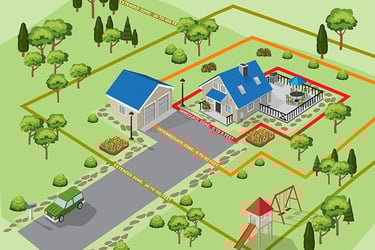
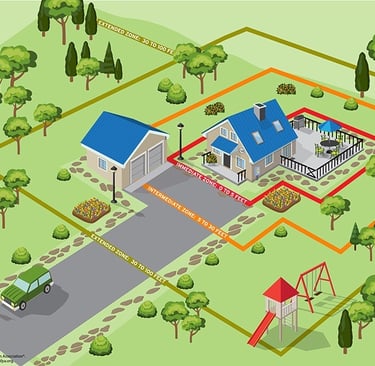
Defensible space is the modified area around your home that slows or stops wildfire spread, creating a safer zone for firefighting. California law (Public Resources Code 4291) mandates 100 feet of defensible space in State Responsibility Areas (SRA) and Very High Fire Hazard Severity Zones (VHFHSZ), divided into three zones: Zone 0 (0-5 feet), Zone 1 (5-30 feet), and Zone 2 (30-100 feet). These zones focus on reducing fuel loads—anything that can burn—like vegetation, debris, and stored items.
Why does this matter in 2026? Recent updates, including AB 3074 (2020) and SB 504 (2024), emphasize Zone 0 as an "ember-resistant" area, with rulemaking expected to finalize by late 2025. Fires like the 2018 Woolsey Fire in the Santa Monica Mountains showed that well-maintained defensible space can reduce home loss by up to 70%, per CAL FIRE data. In high-risk areas with steep slopes or dense chaparral, extend these zones further—consult your local fire department for tailored advice.
Here's a visual overview of the zones to help you conceptualize:
Zone 0: The Ember-Resistant Zone (0-5 Feet)
Zone 0 is the most critical—it's your home's first line of defense against embers, which cause 80-90% of wildfire home ignitions. This zone extends 0-5 feet from buildings, structures, decks, and attachments. While not yet legally required statewide, it's highly recommended and may become mandatory soon. The goal: Eliminate anything combustible to prevent spot fires from spreading to your structure.
Zone 0 Checklist:
- Ground Cover: Replace mulch, pine needles, or flammable ground covers with non-combustible materials like gravel, pavers, concrete, or rock. Avoid rubber mulch—it can still ignite.
- Vegetation and Debris: Remove all dead weeds, grass, leaves, and debris. Trim overhanging branches at least 10 feet from chimneys or stovepipes.
- Stored Items: Relocate firewood, lumber, garbage cans, recycling bins, boats, RVs, and vehicles outside this zone. No storage under decks or near walls.
- Outdoor Features: Minimize or remove combustible patio furniture, planters, doormats, and decorations. Use metal or stone planters if keeping greenery.
- Fencing and Gates: Replace wooden fences/gates attached to the home with non-combustible alternatives like metal or vinyl. Ensure no flammable vines or plants climb them.
- Maintenance Tips: Inspect seasonally; clean roofs, gutters, and outdoor areas regularly. Cost: $500-2,000 for basic retrofits, depending on property size.
In high-risk areas like the Santa Monica Mountains, where embers from canyon winds can be fierce, prioritize hardscaping (e.g., concrete paths) to create a true "zero-fuel" buffer. Pro tip: Use fire-resistant plants like succulents if you must have greenery—sparingly.
Zone 1: The Lean, Clean, and Green Zone (5-30 Feet)
Zone 1, required by law, extends from 5-30 feet (or to your property line if shorter). Here, the focus is on low-intensity vegetation management: Keep it "lean" (spaced out), "clean" (debris-free), and "green" (well-irrigated, fire-resistant plants). This zone reduces radiant heat and direct flame contact.
Zone 1 Checklist:
- Clear Dead Material: Remove all dead plants, grass, weeds, leaves, and pine needles from the yard, roof, and rain gutters.
- Tree and Shrub Spacing: Trim trees to maintain at least 10 feet between canopies. Prune lower branches (limb up) to 6-10 feet from the ground. Keep branches 10 feet from chimneys.
- Under Structures: Clear flammable vegetation and items from under decks, balconies, stairs, and crawl spaces. Enclose these areas with non-combustible skirting if possible.
- Fuel Storage: Move wood piles, propane tanks, and outbuildings to Zone 2. Ensure 10 feet of clearance around tanks to bare mineral soil, with no flammable plants in an additional 10 feet.
- Landscaping: Space shrubs at least twice their mature height apart (e.g., 10 feet for a 5-foot shrub). Avoid flammable plants near windows or vents. Opt for irrigated, low-growing species like lawn or groundcover.
- Maintenance Tips: Mow grass to 4 inches or less. In sloped areas, increase spacing to prevent uphill fire acceleration. Local variations: In San Diego County, Zone 1 may extend to 50 feet. Cost: $1,000-5,000 annually for professional clearing in dense areas.
For communities in windy, chaparral-heavy spots like, integrate drip irrigation to keep Zone 1 hydrated during red-flag warnings—this can reduce ignition risk by 50%.
Zone 2: The Reduced Fuel Zone (30-100 Feet)
Zone 2, also legally required, extends 30-100 feet (or to property line). This outer buffer reduces fuel continuity, slowing fire spread and creating a defensible perimeter for crews. Vegetation management is less intensive but still essential.
Zone 2 Checklist:
- Grass and Ground Cover: Cut annual grasses and weeds to a maximum of 4 inches high.
- Horizontal Spacing: Space shrubs 2x their height apart on flat ground, 4x on moderate slopes (10-20%), and 6x on steep slopes (>20%). For trees: 10 feet between canopies on flat, 20 feet on moderate, 30 feet on steep.
- Vertical Spacing: Trim tree branches at least 6 feet from the ground. Ensure clearance between shrubs and tree branches is 3x the shrub's height (e.g., 15 feet for a 5-foot shrub).
- Debris Management: Remove fallen leaves, needles, twigs, bark, cones, and small branches, but leave up to 3 inches for erosion control.
- Fuel Piles and Structures: Keep wood piles with 10 feet of clearance to bare soil. Same for outbuildings and propane tanks: 10 feet clear plus 10 feet no-flammable-veg buffer.
- Maintenance Tips: On slopes, add extra spacing downhill. Use goat grazing or mechanical clearing for large lots—eco-friendly and cost-effective ($2-5 per square foot). In VHFHSZ, extend to 200 feet if needed. Cost: $2,000-10,000 for initial setup, less for maintenance.
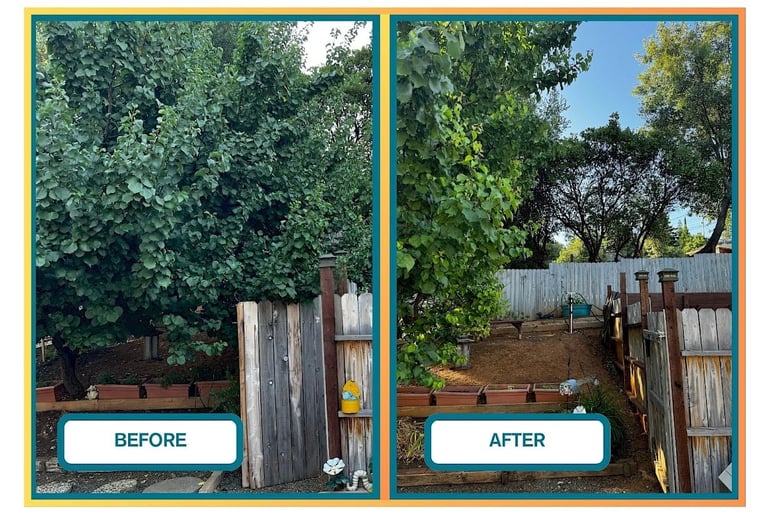
See this before-and-after example of Zone 2 transformation:
Home Hardening: Fortifying Your Structure Against Embers and Flames
While defensible space addresses the landscape, home hardening retrofits your building to resist ignition. Focus on the "big three" vulnerabilities: roofs, vents, and eaves. In 2026, with new incentives from programs like California's Wildfire Mitigation Grants, hardening is more accessible. Aim for "ignition-resistant" materials that meet Class A fire ratings.
Key Home Hardening Techniques by Area
Roofs and Chimneys
The roof is your home's most exposed part—embers love settling here.
- Use Class A fire-rated materials like metal, clay tiles, or asphalt shingles.
- Install a non-combustible metal drip edge and keep gutters clean of debris.
- Add spark arrestors (1/2-inch mesh) to chimneys.
- Tip: Regular cleaning prevents ember ignition; cost: $5,000-15,000 for roof replacement.
Vents and Eaves
Embers sneak in through vents—block them without compromising airflow.
- Install 1/8-inch metal mesh screens on attic, foundation, and gable vents.
- Box in open eaves with non-combustible materials like stucco or cement board.
- Tip: Consider wildfire-resilient vents that close automatically in heat; cost: $200-1,000.
Windows and Doors
Radiant heat can shatter glass—upgrade for protection.
- Install dual-pane, tempered glass windows with metal frames.
- Weather-strip doors and add metal thresholds to block embers.
- Tip: Exterior shutters or gels can add extra defense; cost: $1,000-5,000 per home.
Walls and Siding
- Use fire-resistant siding like fiber cement, stucco, or brick. Avoid vinyl—it melts.
- Retrofit the bottom 6 inches with non-combustible material.
- Tip: In high-risk areas, apply fire-retardant sprays annually; cost: $3,000-10,000.
Decks and Attachments
Decks often ignite first—harden them.
- Use fire-resistant composites or treated wood.
- Clear under-deck storage and enclose with metal skirting.
- Tip: Interrupt "fire wicks" like wooden fences with metal sections
Additional Tips for High-Risk Areas in 2026
- Slopes and Winds: Double spacing on steep terrain; install windbreaks with non-flammable barriers.
- Community Action: Join a Fire Safe Council for group inspections and grants or hire a company like Fast Fire Network for a complete all-in-one solution for home hardening and community resilience packages.
- Tech Integration: Use smart sprinklers, ember detectors, and apps like Watch Duty for alerts.
- Insurance and Costs: Many insurers offer discounts (up to 20%) for hardened homes; apply for CAL FIRE grants.
- Stay-and-Defend Prep: If considering this, stock PPE, hoses, and pumps—but evacuate if unsure.
Conclusion: Act Now for Unbreakable Protections
In 2026, with fire seasons starting earlier and lasting longer, defensible space and home hardening aren't optional—they're essential. By following this zone-by-zone guide, you can reduce risks, comply with laws, and potentially save your home. At Fast Fire Network, we offer hands-on workshops tailored to areas like San Clemente. Contact us today for a free assessment—responses fast, protections unbreakable.
Resources and Links
- CAL FIRE Defensible Space Guidelines: https://www.fire.ca.gov/dspace
- Board of Forestry Defensible Space Zones: https://bof.fire.ca.gov/projects-and-programs/defensible-space-zones-0-1-and-2
- Ready for Wildfire Defensible Space: https://readyforwildfire.org/prepare-for-wildfire/defensible-space
- NFPA Preparing Homes for Wildfire: https://www.nfpa.org/education-and-research/wildfire/preparing-homes-for-wildfire
- CAL FIRE Home Hardening Guide: https://readyforwildfire.org/prepare-for-wildfire/hardening-your-home
- Western Fire Chiefs Home Hardening: https://wfca.com/wildfire-articles/home-hardening