2026 Wildfire Season Ignites with a Vengeance
2026 Wildfire Season Ignites with a Vengeance: Over 1.4 Million Acres Burned Nationwide by Mid-March as Nebraska Records Its Worst Fire Disaster Ever
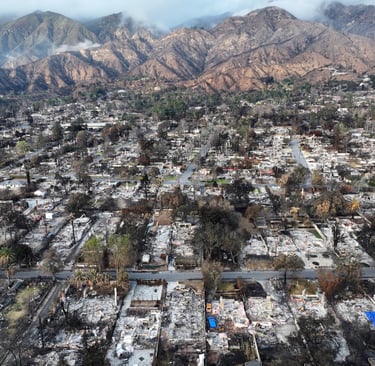
2026 Wildfire Season Ignites with a Vengeance: Over 1.4 Million Acres Burned Nationwide by Mid-March as Nebraska Records Its Worst Fire Disaster Ever
March 25, 2026
The numbers are staggering—and it’s not even April yet. According to the latest data from the National Interagency Fire Center (NIFC), wildfires have already scorched more than 1.45 million acres across the United States in 2026, with year-to-date totals sitting at approximately 1.415 million acres as of March 20. That’s a dramatic surge compared to the same period in 2025, when only about 396,631 acres had burned by mid-March.
Nowhere has the early-season fury been more devastating than in Nebraska, where two massive blazes—the Morrill Fire and Cottonwood Fire—have combined to burn over 780,000 acres, shattering the state’s previous record for a full fire season. The Morrill Fire alone, which ignited around March 12, exploded to more than 643,000 acres at its peak, making it not only the largest wildfire in Nebraska history but one of the biggest in recent U.S. wildfire annals. Tragically, the fires claimed at least one life: 86-year-old Rose White of Arthur County.
Firefighters from Nebraska and neighboring states have battled these wind-driven infernos under extreme conditions. By late last week, the Morrill Fire reached 98% containment, and the Cottonwood Fire was similarly close to full control, but the damage was already done. Additional blazes like the Road 203 and Anderson Bridge fires pushed Nebraska’s total burned acreage past 827,000 acres in just weeks.
This isn’t an isolated Plains-state story. Smaller but aggressive fires have flared in South Dakota and Wyoming, fueled by the same high, dry winds. In Arizona, New Mexico, and Nevada, critically low snowpack—some areas below 50% of normal—has left vegetation tinder-dry. Record-breaking heat has baked the Southwest and High Plains, with March temperatures running 20 to 40 degrees above average and high-temperature records falling in at least 14 states. More than half the country is now classified as abnormally to moderately dry by the U.S. Drought Monitor.
February alone saw a jaw-dropping 422% increase in acreage burned compared to the 10-year average, according to NIFC reports. The traditional “fire season” calendar—once reliably kicking off in late spring or summer—has effectively collapsed. As former hotshot firefighter River Selby put it: “I am suspicious of these claims of ‘low levels’ and ‘modestly increasing’ fire activity. That’s clearly untrue given the high regional preparedness level and the absolutely bonkers 422% February increase.”
Why So Early and So Severe?
Experts point to a perfect storm of climate and weather extremes:
- The warmest winter on record across much of the U.S.
- The lowest Western snowpack levels in 40 years.
- Persistent drought gripping the Southern Plains and High Plains.
- Human-caused sparks and lightning igniting bone-dry fuels in a landscape primed for rapid spread.
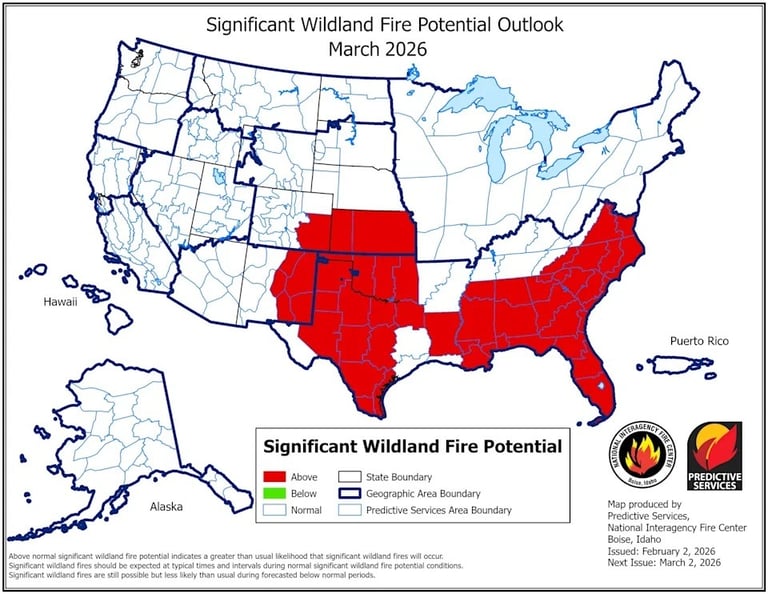
The National Interagency Fire Center issued an “above-normal” fire season outlook back in January. That prediction is already proving accurate. National preparedness level sits at 2 out of 5, with activity now spreading into Oklahoma, Florida, Colorado, and Montana.
Human and Economic Toll
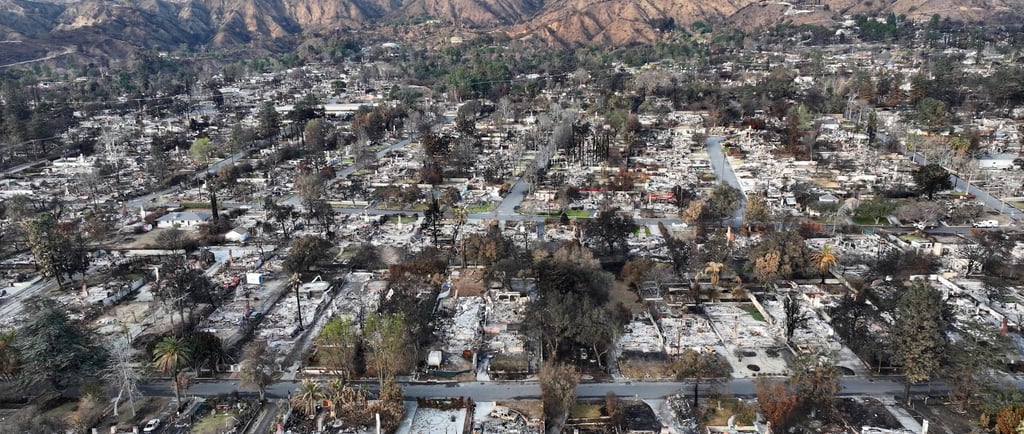
Beyond the charred landscapes, the human cost is mounting. Evacuations, destroyed infrastructure, and threats to homes in the expanding Wildland-Urban Interface (WUI) are becoming the new normal. The WUI has grown dramatically—by 179,000 square kilometers since 1990—and homes there now face triple the destruction risk compared to two decades ago.
The insurance crisis is deepening. Between 2018 and 2024, nearly 1.9 million home insurance policies were dropped nationwide, with higher non-renewals in high-risk fire zones. California’s FAIR Plan exposure ballooned to $726 billion by late 2025. The 2025 Los Angeles fires alone erased an estimated $8.3 billion in home value, according to Realtor.com research. Senior economic research analyst Hannah Jones noted the fires caused “large, immediate losses in housing wealth for destroyed properties, alongside more moderate but widespread value softening across surrounding neighborhoods.”
What Lies Ahead?
April showers may temporarily mute risks in some regions, but the NIFC warns of heightened danger in the South and continued vulnerability across the West. More than 1,100 communities sit at risk of urban-wildfire disasters on the scale of the 2025 L.A. fires. With drought persisting and temperatures trending upward, experts fear 2026 could rival or exceed some of the worst seasons on record.
At FastFireNetwork.com, our mission is to deliver real-time intelligence, preparedness resources, and rapid-response insights to firefighters, homeowners, and communities on the front lines. This early 2026 onslaught underscores why staying informed matters more than ever.
Action Steps for Wildfire Preparedness:
- Review and update your defensible space.
- Sign up for local emergency alerts and NIFC notifications.
- Check your insurance coverage—don’t wait for non-renewal notices.
- Support wildland firefighter crews and volunteer opportunities in your area.
The 2026 fire season isn’t coming—it’s already here. Stay vigilant, stay connected, and stay safe.
Sources:
1. Yahoo News / Realtor.com: “U.S. Wildfires Have Already Claimed 1.4 Million Acres in 2026—and Experts Warn It Will Get Worse” by Allaire Conte (March 24, 2026). https://www.yahoo.com/news/articles/u-wildfires-already-claimed-1-211052768.html
2. National Interagency Fire Center (NIFC) – National Fire News and Year-to-Date Statistics (as of March 20, 2026). https://www.nifc.gov/fire-information/nfn
3. The New York Times: “Nebraska Wildfires Consume Nearly 800,000 Acres” (March 18, 2026).
4. Nebraska State Climate Office: “Wildfires Set State Record for Acres Burned” (March 2026 update).
5. Washington Post / The Spokesman-Review: “Wildfires Rip Through Unusual Parts of U.S., Raising Fears of a Brutal Season” (March 24, 2026).
6. Additional reporting from NIFC Incident Management Situation Reports and Watch Duty fire tracking data (March 2026).
FastFireNetwork.com – Connecting the Front Lines with Fast, Reliable Wildfire Intelligence.